

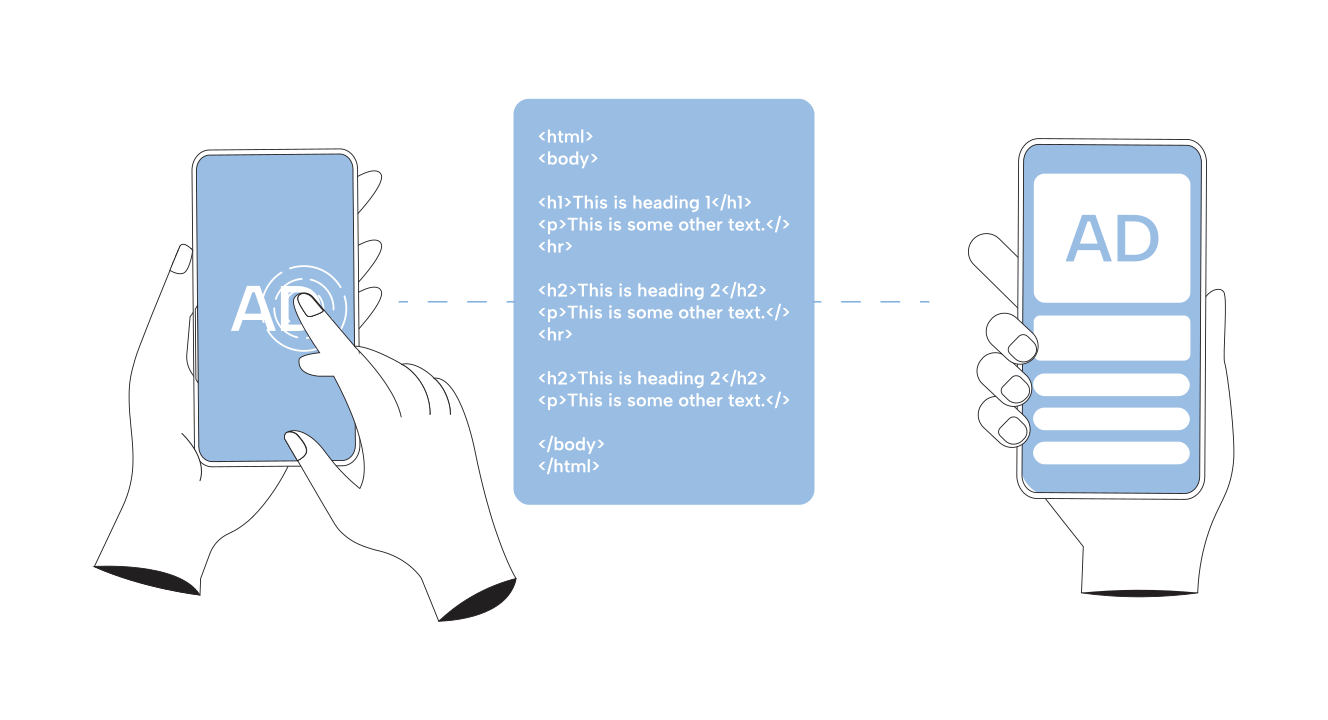
Every ad impression begins with a bid request. As a result, it triggers the ad auction and provides advertisers with the information needed to assess an impression before deciding whether to bid.
Understanding bid requests makes it easier to see how ad placements are evaluated, why some impressions carry more value, and how real-time bidding works behind the scenes. Since bid requests include technical, placement, and contextual data, the process can be difficult to follow without a clear structure.
The sections below provide an easy-to-follow overview of bid requests and their role in programmatic advertising.
What is a Bid Request? Definition
A bid request is a message sent by a publisher’s supply-side platform (SSP) or ad exchange to demand-side platforms (DSPs) and advertisers each time an ad impression becomes available on your site or app.
How Bid Requests Work in Real-Time Bidding?

Here’s what happens when a bid request is triggered:
- A user lands on a website or opens an app.
- The site (through the publisher’s ad server) detects an available ad slot.
- The publisher’s SSP or ad exchange generates a bid request containing all relevant data and sends it to multiple advertisers.
- Through their DSP, each advertiser analyzes the request using user data, page context, device type, and other factors to decide whether to bid, a process detailed in Google’s Authorized Buyers RTB documentation.
- The highest bidder wins, and the SSP serves the winning ad to the user instantly.
Bid Request Components
A bid request contains structured data that describes an ad impression and the conditions under which it can be sold. These components help advertisers understand what is being offered, where it will appear, and how the auction should run.
Ad Impression and Placement Details
Ad impression and placement details describe the ad slot made available by the publisher. So, it includes the ad format (such as banner, video, or native), size, placement, and whether the ad is above or below the fold. These details indicate visibility and influence how advertisers value the impression.
Page or App Context
The bid request includes information about the environment where the ad will appear. This may involve the website domain, page URL, content category, or app bundle. Contextual data helps advertisers understand the type of content surrounding the ad placement.
Device and Technical Information
This component explains how the ad will be viewed. It typically includes device type (desktop, mobile, or tablet), operating system, browser, screen size, and IP-based signals. Advertisers use this information to ensure compatibility and tailor bids to different environments.
User Signals and Privacy Indicators
When allowed by user consent and regulations, bid requests may include anonymized user signals, such as identifiers or frequency information. Moreso, privacy and consent flags are also included to indicate compliance with frameworks like GDPR and CCPA.
Auction Rules and Identifiers
This component defines how the auction operates. It includes the auction type (e.g., first-price), the floor price, and unique identifiers such as request or impression IDs. These elements ensure bids are evaluated correctly and matched to the right ad opportunity.
Want to understand bidstream data better?
Dive deeper into how bidstream works and why it’s crucial for publishers in our detailed guide.
Read the Bidstream GuidePros and Cons of Bid Requests
In programmatic advertising, bid requests affect publishers and advertisers differently. Thus, the following sections outline the main advantages and limitations for each side.
From a Publisher’s Perspective
| Pros | Cons |
|---|---|
| Enable automated ad inventory sales through real-time auctions. | Increased technical complexity in setup and maintenance. |
| Allow access to multiple advertisers at once, increasing demand exposure. | Requires strict compliance with privacy and data regulations. |
| Support standardized auction processes through OpenRTB. | Misconfigured requests can lead to latency or lost demand. |
| Improve transparency in how impressions are evaluated. | Dependence on external buying platforms and DSP behavior. |
| Make inventory available across devices and environments. | Limited control over how advertisers interpret bidstream data. |
From an Advertiser Perspective
| Pros | Cons |
|---|---|
| Enable fast, automated bidding at the impression level. | Limited visibility into publisher-side decision logic. |
| Enable fast, automated bidding at the impression level. | Auction decisions must be made within milliseconds. |
| Support scalable buying across many publishers. | Data quality varies depending on publisher implementation. |
| Allow contextual and device-based evaluation. | Privacy restrictions may limit available user signals. |
| Standardized formats reduce integration complexity. | High competition can increase bid pressure. |
FAQ
A bid is an offer an advertiser makes to purchase ad space from a publisher. The higher the bid, the better the chance of winning the ad placement. Bids create competition for ad space, helping publishers maximize their revenue.
A bid request is a call for bids from DSPs, while a bid response contains the advertiser’s bid amount and ad creative.
An RFP (Request for Proposal) is a formal request from a publisher to invite advertisers to submit proposals for a specific ad campaign. It is often used for negotiated pricing. A bid request is used in real-time bidding (RTB), where multiple advertisers compete in real time for ad space based on user data and available inventory. RFPs are for direct deals, while bid requests are part of automated auctions.
Bid requests may include identifiers like IP addresses, but regulations like GDPR and CCPA enforce strict privacy controls.
The entire RTB process, from bid request to ad serving, happens in under 100 milliseconds.
If no valid bids are received, the ad slot may display a fallback ad, a house ad, or remain unfilled.
The ad won’t be shown if all the bids are below the publisher’s floor price (the minimum they’re willing to accept). The ad slot might stay empty or fill with a fallback ad, which usually generates much less revenue or none at all.
There are a few reasons. The user might not match any advertiser’s targeting criteria, the page content might be low-quality, there could be technical issues during the auction, or the impression might not be considered valuable enough. If no one sees potential in it, no bids come in.
Final Thoughts
A bid request is the foundation of real-time bidding in programmatic advertising. It defines how ad impressions are described and evaluated in milliseconds, influencing every auction decision that follows. For ad operations, monetization, and technical teams, understanding bid requests means understanding where auction decisions begin.
Once this foundation is in place, the next step is bid optimization, which involves how bid signals, auction rules, and configuration choices shape performance across the programmatic stack.
Was this helpful?